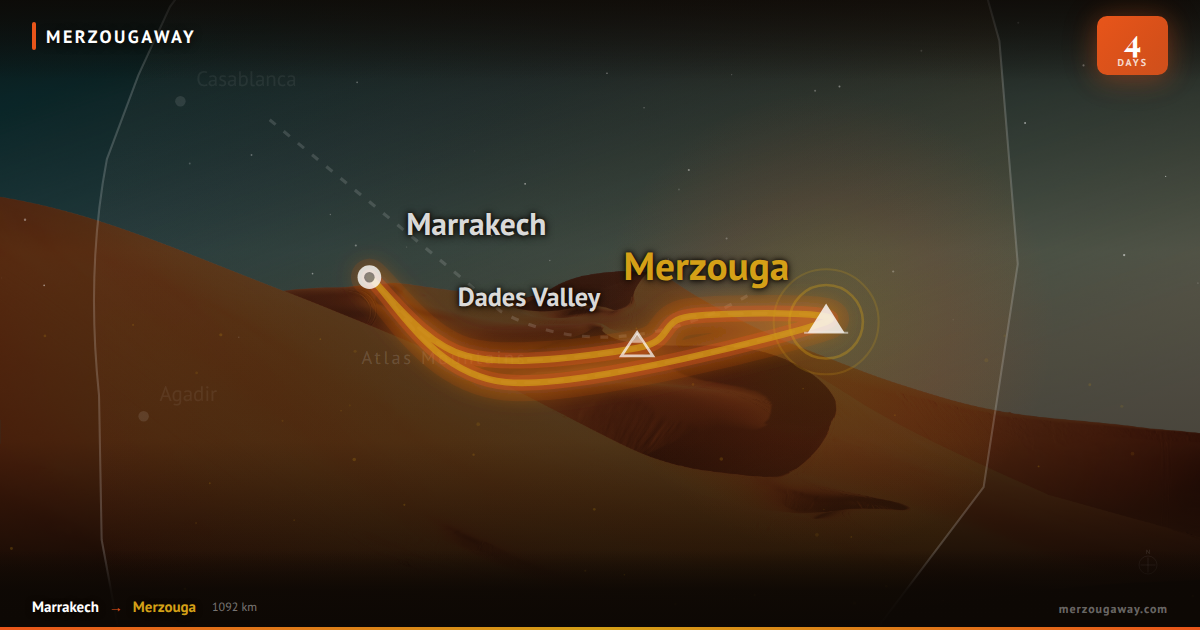
4-Day Morocco Desert Photography & Content Creator Tour
🌟 Overview
Morocco is one of the most photogenic countries in the world — and this tour is designed to help you capture every frame of it. Whether you're a content creator building your social media feed, a photographer growing your professional portfolio, or simply a traveler who wants stunning images to remember the journey, this 4-day photography and content creation tour hits every visually iconic location from Marrakech to the Sahara Desert. A professional photographer travels with you as both guide and shooter, ensuring that you return home not just with memories, but with a fully realized visual story.
Unlike our astrophotography tour, which focuses on long-exposure night skies and star trails, this experience is built entirely around daytime landscapes, golden hour portraits, styled shoots, and authentic cultural documentary photography. Every departure time, every stop, and every overnight location has been chosen with the light in mind — because in photography, light is everything.
This is not a standard sightseeing trip with a camera along for the ride. This is a dedicated creative expedition across one of the world's most visually extraordinary countries.
Tour Highlights
- Professional photographer traveling with you as guide and personal shooter
- Golden hour sessions at sunrise and sunset every single day of the tour
- Styled desert photoshoot: Berber rugs, lanterns, traditional outfits, camel portraits
- Aït Ben Haddou: the most photographed kasbah in Morocco, with kasbah texture and rooftop perspectives
- Todra Gorge: dramatic canyon walls and vertical-scale compositions
- Erg Chebbi dunes: dune ridge silhouettes, symmetry, and the ultimate desert backdrop
- 50–100 edited photos delivered digitally after the tour
Why Choose This Tour?
- Content That Performs: every stop is chosen for visual impact and proven social media appeal
- Two Shooters: your photographer captures you in the frame AND teaches you technique so you level up your own skills
- Not Just Desert: kasbahs, gorges, oasis villages, and sand dunes all in one four-day journey
- Flexible Aesthetic: tell us whether your feed runs warm and golden, cool and moody, or high-contrast editorial — we'll match it
- Solo Travelers Welcome: our photographer ensures you are never missing from the shots; no awkward selfie sticks required
Who Is This Tour For?
This tour has been designed with specific travelers in mind. Use the guide below to see whether this experience fits your goals.
| Traveler Type | Why This Tour Works for You |
|---|---|
| Instagram / TikTok content creator | Every location is proven visual content; photographer doubles as videographer for Reels |
| Travel photographer building a portfolio | Access to iconic locations with expert composition guidance and technique coaching |
| Couple seeking styled travel photos | Romantic desert settings, traditional outfits, camel portraits — ready for print or profile |
| Solo female traveler | Safe private transport, trusted local guide, photographer ensures you are always in the shot |
| Blogger or brand ambassador | Behind-the-scenes content, lifestyle imagery, and vertical content delivered within 48 hours |
| Photography enthusiast on holiday | Learn real techniques — golden hour metering, leading lines, portraiture — while sightseeing |
Photography Conditions by Season
Understanding the light before you arrive is part of planning a great shoot. Morocco's desert landscape transforms dramatically across the year, and each season offers distinct photographic character.
Spring (March–May): Golden hour arrives earlier each week, running from roughly 6:15 AM at sunrise in March to 5:45 AM by late May. Evening golden hour extends luxuriously, finishing around 7:30–8:00 PM by May. The air is exceptionally clear after winter rains, producing vivid contrast between the orange dunes and deep blue skies. Wildflowers occasionally appear on the Draa Valley floor — a rare composition opportunity.
Summer (June–August): Sunrise comes as early as 5:30 AM, making early wake-up calls genuinely rewarding. Heat haze begins building after 9:00 AM, so morning golden hour shoots are essential and midday is reserved for rest, review, and shade. Sunset golden hour from 7:45 PM to 8:30 PM is long and intensely warm-toned — some of the most saturated dune light of the year.
Autumn (September–November): Widely regarded as the best all-round season for photography in southern Morocco. Temperatures are comfortable throughout the day, golden hour light is warm without the harshness of summer, and the dunes are often quiet. Sunrise golden hour begins around 6:45–7:00 AM; sunset wraps up by 6:30 PM in November.
Winter (December–February): Cold nights and crisp, clear days create exceptional photographic clarity. The low winter sun angle means golden hour light lingers longer across the dune faces, creating longer shadow lines and richer texture on the sand ridges. Sunrise golden hour begins around 7:30 AM. Snow occasionally caps the High Atlas peaks visible on the drive — a dramatic backdrop rarely seen by summer visitors.
Specific Photography Compositions on This Tour
Every location on this itinerary has been selected not just for beauty, but for the specific visual opportunities it unlocks.
Erg Chebbi Dunes — Merzouga: The vast symmetry of Erg Chebbi is unmatched in North Africa. Shoot the clean S-curve of a dune ridge against a cloudless sky, use a lone camel as a scale anchor against the infinite sand, or work the mirror-like stillness of a desert pothole pool for reflection symmetry at sunrise. The northeast face of the main dune catches the first light of dawn in a way that turns the sand from gray-pink to deep amber within minutes.
Aït Ben Haddou — Kasbah Texture and Architecture: The kasbah's earthen pisé walls are built for close-up texture photography — honeycomb mud-brick patterns, crumbling towers against blue sky, carved wooden doors in warm sienna tones. The elevated rooftop perspective looking across the ksar toward the Anti-Atlas foothills is one of the classic wide-angle compositions in all of Morocco. In low morning light, the shadows carved across the walls create graphic lines impossible to replicate at midday.
Todra Gorge — Vertical Scale and Leading Lines: The gorge walls rise 300 meters on either side, making vertical composition essential. Shoot straight up from the canyon floor for pure abstract geometry, or use the shallow Todra River as a leading line pulling the viewer deep into the frame. A person standing at the base of the walls provides immediate sense of scale — one of the most powerful documentary compositions available on the entire tour.
Draa Valley and Khamlia Village: Painted doors in cobalt blue, ochre yellow, and faded turquoise create ready-made color-block portrait backdrops. Tight alleyway compositions with strong directional light reward photographers who arrive in the late morning when sun angles steep enough to illuminate doorways without blowing highlights.
What Equipment to Bring
You do not need to be a professional to enjoy this tour — your photographer handles the portfolio-quality shots. But if you want to shoot alongside them, here is our recommended kit list:
Camera Bodies: A mirrorless or DSLR body with decent low-light performance handles golden hour beautifully. A second body or your smartphone as a backup is always sensible in dusty desert conditions.
Lenses: A 24–70mm f/2.8 zoom covers most landscape and portrait situations. A 70–200mm telephoto is excellent for compressing dune layers and isolating subjects against the sand. A wide prime (16mm or 20mm) rewards the gorge and kasbah sequences.
Filters: A circular polarizer is essential for deepening sky contrast and managing reflections. A 3-stop ND filter gives creative flexibility during midday shoots if you want shallower depth of field.
Protection: Sand in the Sahara is extraordinarily fine and will find its way into every unprotected crevice. Bring a dry bag or ziplock pouches for lenses, a lens cleaning kit, and a thin cotton cloth to drape over your camera between shots.
Power: Bring two fully charged batteries per camera body and a portable USB power bank. The desert camp has limited charging points and power cuts occasionally occur in remote guesthouses.
Drone: See the dedicated drone section below before packing yours.
Drone Rules in Morocco
Morocco permits civilian drone use but operates under regulations that photographers must understand before departure.
Permit Requirement: As of current regulations, recreational and commercial drone flights in Morocco require prior authorization from the Royal Moroccan Air Force (FAR — Forces Armées Royales). Applications should be submitted at least two weeks in advance of your travel dates. Flying without authorization risks confiscation of your equipment and significant fines.
No-Fly Zones: Strictly prohibited areas include all military installations, royal palaces, government buildings, and within 5 kilometers of any active airport. Ouarzazate has an active airport — drone flight near the film studios requires particular care and pre-authorization.
Cultural Sensitivity: Always ask permission before flying over inhabited areas, villages, or nomad encampments. Flying over people without consent raises both legal and ethical concerns.
Our Recommendation: MerzougaWay can advise you on current authorization procedures and connect you with our local contacts who have experience navigating the permit process. If you plan to bring a drone, notify us at the time of booking so we can prepare accordingly. The open desert east of Merzouga, away from the village, is generally the most straightforward location for authorized desert aerial photography.
Itinerary
Day 1 — Marrakech → Aït Ben Haddou → Dades Valley
Your photographer and driver collect you from your Marrakech accommodation at 7:00 AM — this early departure is deliberate. The morning light over the High Atlas Mountains between roughly 8:00 and 10:00 AM is some of the best driving-route photography of the entire tour, and arriving at Aït Ben Haddou before the midday tour buses transforms the experience completely.
The journey southeast through the Tizi n'Tichka mountain pass (2,260 metres) includes planned stops at dramatic switchback viewpoints where the full sweep of the Anti-Atlas reveals itself in layers of purple and gold. Your photographer uses these roadside stops to introduce you to basic landscape composition — horizon placement, foreground interest, and reading the light.
Arriving at Aït Ben Haddou by late morning, you have time to walk the ksar before the heat peaks. The real photographic magic begins as the sun descends: late afternoon and golden hour sessions here run from approximately 4:30–6:30 PM depending on season. Your photographer works the exterior walls for kasbah texture close-ups, guides you to the upper terraces for the wide rooftop perspective across the valley, and positions you at the seasonal river crossing for reflection compositions when water levels allow. The warm terracotta tones of the kasbah walls absorb golden light in a way that makes even simple portrait shots look cinematic.
After dinner near the kasbah, you continue to the Dades Valley for the night, pausing for a brief sunset shoot at the Dades Gorges rock formations — twisted volcanic columns that catch the last red light of the day in extraordinary fashion.
Day 2 — Dades Valley → Todra Gorge → Merzouga
An optional early wake-up at 6:00–6:30 AM rewards those willing to leave a warm bed: the Dades Valley at sunrise offers soft pink light across the gorge walls and almost total silence. Your photographer sets up compositions looking back across the valley toward the Atlas peaks while you shoot alongside them. This is an ideal morning to practice long-exposure valley mist photography if autumn or winter conditions allow.
After breakfast, the drive to Todra Gorge takes roughly 45 minutes through dense palm oases and roadside villages. Arriving at the gorge by mid-morning means the sun is at an angle that floods the canyon floor with directional light — essential for the signature vertical-scale compositions. Stand at the base of the 300-metre walls and shoot upward with a wide-angle lens; include a figure for human scale; work the shallow river as a leading line drawing the eye deeper into the gorge. Your photographer demonstrates how to expose correctly for the extreme contrast between the bright sky sliver above and the shaded canyon walls.
The afternoon drive toward Merzouga passes through some of the most cinematic desert scenery in Morocco — hammada (rocky desert floor), isolated nomad tents, and the gradual appearance of the first sand dunes on the horizon. Your photographer calls a stop at the black volcanic hammada east of Erfoud, where the contrast between jet-black rock and orange sand creates a composition unavailable anywhere else on the route.
Arriving at Erg Chebbi in time for the day's most important session, you head straight to the dunes for the styled desert photoshoot at golden hour. The set is arranged by your guide — Berber rugs unrolled on a sheltered dune face, lanterns placed for warm ambient light, traditional Moroccan outfit options laid out for whoever wants them. Shots include walking silhouettes on dune ridges, seated portrait sessions with the dune backdrop, camel silhouette portraits at the crest against the fading sky, and wide establishing shots that place you within the scale of the Sahara. Sunset from the top of the dunes closes the session, typically between 6:30 and 7:45 PM depending on season.
Dinner and overnight at a luxury desert camp — canvas walls, Berber-woven interiors, and silence broken only by wind over sand.
Day 3 — Merzouga Desert (Full Day)
This is the day most guests describe as the highlight of their entire Morocco trip. Wake before light — your photographer will knock at approximately 5:30–6:00 AM depending on the season — and walk twenty minutes into the dunes before the first color appears on the eastern horizon.
The sunrise shoot from Erg Chebbi is technically the finest photographic opportunity of the tour. In the minutes before the sun crests the dune line, the sky transitions through a sequence of colors — deep indigo, rose, amber, gold — that last only fifteen to twenty minutes. Your photographer works fast: dune crest silhouettes against the color gradient, long shadow lines across the sand face, and close-up sand ripple abstracts that reward the macro lens. This is also the moment for the perfectly symmetrical wide-angle composition — dune ridge reflecting dawn color on both sides of the frame — for which Erg Chebbi is internationally known among landscape photographers.
After a slow breakfast at camp, the morning continues with a walk to Khamlia village, a small Gnawa community a short distance from Merzouga. The painted doors, hand-laid stone walls, and vibrant textiles hanging in doorways create color-block portrait backdrops that feel entirely different from the sand and sky of the dunes. Your photographer introduces the concept of environmental portraiture — using architecture and setting to tell a subject's story.
The afternoon is reserved for visiting a nomad family — a genuine lifestyle and documentary-style photography session that requires sensitivity and patience. Your photographer advises on approaching portrait subjects respectfully, discusses the ethics and etiquette of people photography in Morocco, and demonstrates how to use natural light inside a traditional nomad tent.
Late afternoon includes an informal session reviewing the day's best images, discussing editing approaches (your photographer can walk you through their Lightroom workflow on a laptop), and planning your content calendar for posting. A second sunset session in the dunes — at a different location than the previous evening, chosen for a different quality of light and composition — closes Day 3. Overnight again in Merzouga.
Day 4 — Merzouga → Ouarzazate → Marrakech
An optional final sunrise shoot is available for those who cannot get enough of Erg Chebbi at dawn — and frankly, most guests take it. After breakfast and checkout, the drive back begins via the scenic southern route through the Draa Valley, one of the longest palm oases in the world. The valley floor stretches for over 200 kilometres of date palms, mud-brick villages, and occasional kasbahs rising from the riverbank — a landscape of extraordinary depth and color that rewards any photographer willing to stop frequently.
In Ouarzazate, the final shoot of the tour focuses on the Taourirt Kasbah — a UNESCO-listed earthen palace complex with more visual texture per square metre than almost any building in Morocco — and the exteriors of the Atlas Film Studios, where Lawrence of Arabia, Gladiator, and Game of Thrones were filmed. The combination of real historical architecture and cinematic backdrop creates editorial-quality imagery perfect for travel portfolio use.
Arrival in Marrakech is typically by early evening, with drop-off at your accommodation. Your photographer delivers a preview gallery of 10–15 edited images within 48 hours for immediate posting, with the full delivery of 50–100 professionally edited high-resolution files within 5–7 days.
Included & Not Included
- • Private air-conditioned 4x4 or minivan
- • Professional photographer/guide throughout the tour
- • 3 nights accommodation (1 night Dades Valley, 2 nights luxury desert camp in Merzouga)
- • Daily breakfast; dinners included at desert and kasbah accommodations only
- • Styled desert photoshoot with props (Berber rugs, lanterns, traditional outfits available)
- • Sunset and sunrise photography sessions
- • All edited photos delivered digitally (50-100 photos)
- • Pick-up and drop-off at your Marrakech accommodation
- • Traditional Berber cheche (turban/scarf) — yours to keep
- • Polished fossil souvenir from Erfoud
- • Lunches and drinks
- • Entrance fees to monuments
- • Tips for guides and drivers
- • Drone equipment (bring your own or rent locally)
📸 What's Included in Your Photo Package
- 50–100 professionally edited photos (high-resolution digital files, print-ready quality)
- Color grading matched to your preferred aesthetic — warm and golden, cool and editorial, or natural and documentary
- Mix of landscape, portrait, and lifestyle shots covering every day of the tour
- Behind-the-scenes vertical video clips ready for Reels, TikTok, and Stories
- A preview gallery within 48 hours of tour completion, with full delivery in 5–7 days
- Usage guidance on your images, so you know what's fair game for personal, editorial, or commercial posting
Duration
4 Days, 3 Nights
Group Type
Private
Transportation
4×4 or Minibus
Payment Methods
PayPal
Bank Transfer (IBAN)
Only 10% deposit required
Email:
[email protected]What Our Travelers Say
Real reviews from Google and TripAdvisor
We traveled to Morocco in a group of 6 adults, including my parents, who are already seniors, in the middle of summer. For my family it was a leap of faith to trust an agency we found online for the first time, but it turned out to be a wonderful surprise. Hamid, the trip organizer, was very kind and attentive both before and throughout the whole tour. It was a fully personalized tour - we got to do everything we wanted, from visiting the Sahara to enjoying the beach. He always looked out for our comfort, especially my parents': comfortable transport, well-timed stops at places with restrooms, beautiful air-conditioned hotels, and varied, plentiful food. Thanks to his organization we were able to enjoy the trip with real peace of mind. It was a great experience we would absolutely recommend.
Last week I did a self-drive trip from Fes to Merzouga, leaving the car rental, the riad in Merzouga, the desert camp, and the guided desert activities all in the hands of MerzougaWay and Hamid, and I can only say that everything was perfectly organized, right on time. Thanks to everyone at the riad we stayed at and the desert camp, as well as the guides who joined us for the 4x4 experience, Berber culture, and the camel transfer. Thanks to Hamid and MerzougaWay for that quad-bike ride back to the riad from the camp - what an experience, riding a quad across the dunes early in the morning. If you're thinking of traveling to Merzouga, I definitely recommend Hamid as the organizer of your adventure.
Excellent!! We loved the tour. Thank you Hamid for everything. Everything well organized, the guide Eljo (Elhousain) was very attentive, highly recommend. Everything super clean, we had a great driver, we felt very safe with him. Unbeatable desert excursion. Thanks MerzougaWay!
Trustworthy tour agency. I wrote Hamid what I wanted and he just made it happen. He arranged everything so quick and smooth. We had a 3-day Merzouga tour from Marrakech. Said was our guide and he made me and my wife very comfortable. He took us from our riad and carried us in his modern 4x4 Toyota to magnificent places. He gave us the confidence to ask him whatever we wanted to do and wherever we wanted to drive - like old friends. He is open-minded and respectful. I recommend asking the agency for Said to be your driver. In the 3-day tour you cross the Atlas mountains, stay one night in a perfect hotel in Dades with great food, then stay one night in Erg Chebbi dunes in a luxury glamp camp. One night wasn't enough for a real desert experience - if you have time, take two nights in the desert.
Unforgettable holiday. An 8-day itinerant tour in Morocco, including 3 days organized by Hamid - MerzougaWay: a route from Fes to Marrakech, spending a night in the desert and in Ouarzazate. Our guide Youssef, who drove us all along the way, was very professional and took us to try real experiences that not all tourists get to see. Breathtaking landscapes - Morocco amazed and fascinated us. We drove many miles but still traveled comfortably. Absolutely recommend it - they are a highly professional agency and managed to take us to unique places, like a Berber village in the desert where we were the only tourists. A spectacular, unforgettable experience.
Morocco from the heart with MerzougaWay. Heartfelt congratulations to Hamid, who organized our trip impeccably - present, correct, and extremely helpful. A special mention for our driver Ali, who was by our side through 3 intense days toward the desert: attentive, polite, discreet, and a genuinely good, nice driver. We found snow in the Atlas range and then sun in Ait Ben Haddou, visited women's cooperatives working argan oil and roses, saw the Dades Gorges, and finally reached the Sahara dunes by camel before sleeping in a tented desert camp. 3 intense and exciting days. Next time in Morocco I'll rely on you again, inshallah!
Read more reviews on
Ready to Start Your Adventure?
Contact us today and let's plan your perfect Moroccan desert experience
MerzougaWay Team
We are a passionate team of local guides dedicated to sharing the beauty and culture of our home, Morocco. Our journey began with a simple desire to offer authentic, memorable experiences that go beyond the typical tourist trails.
Complete Your Morocco Trip
Two more services from our team, based in Marrakech.
You Might Also Like
Discover more amazing tours in Morocco
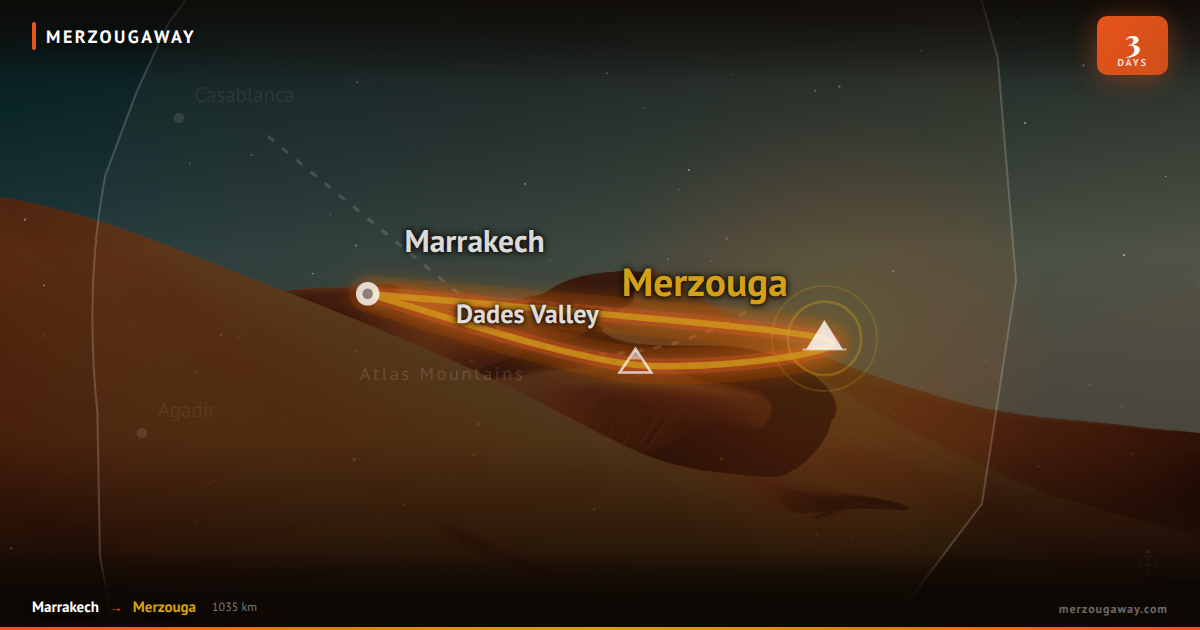
3-Day Marrakech to Merzouga Honeymoon Escape
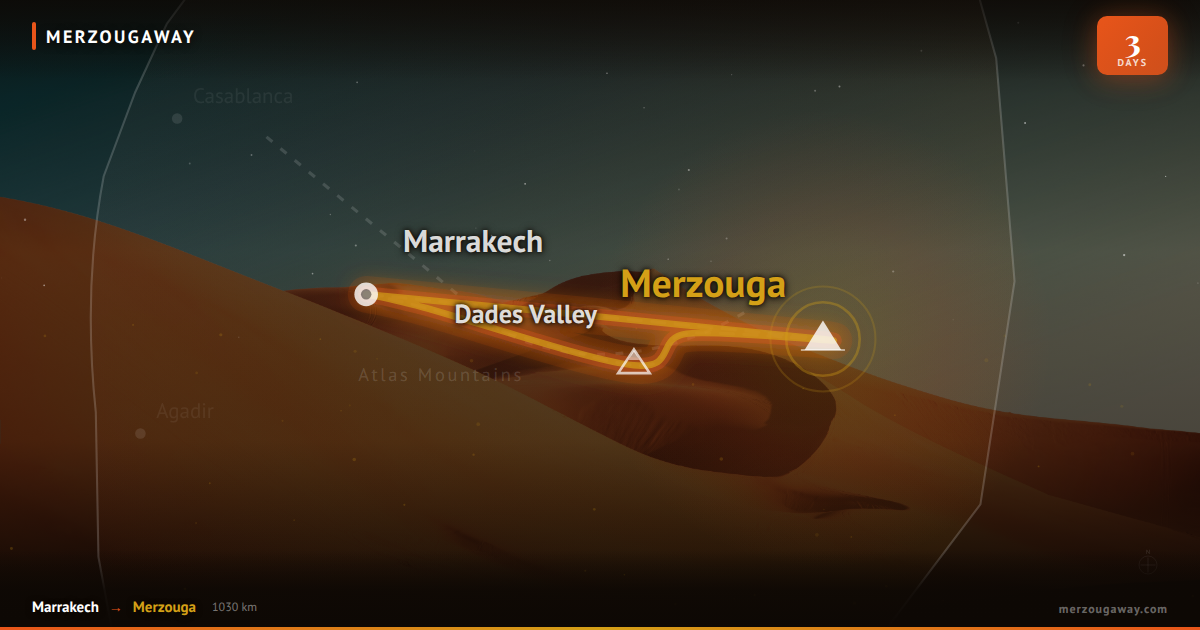
3-Day Marrakech to Merzouga Sahara Desert Astrophotography & Stargazing Tour
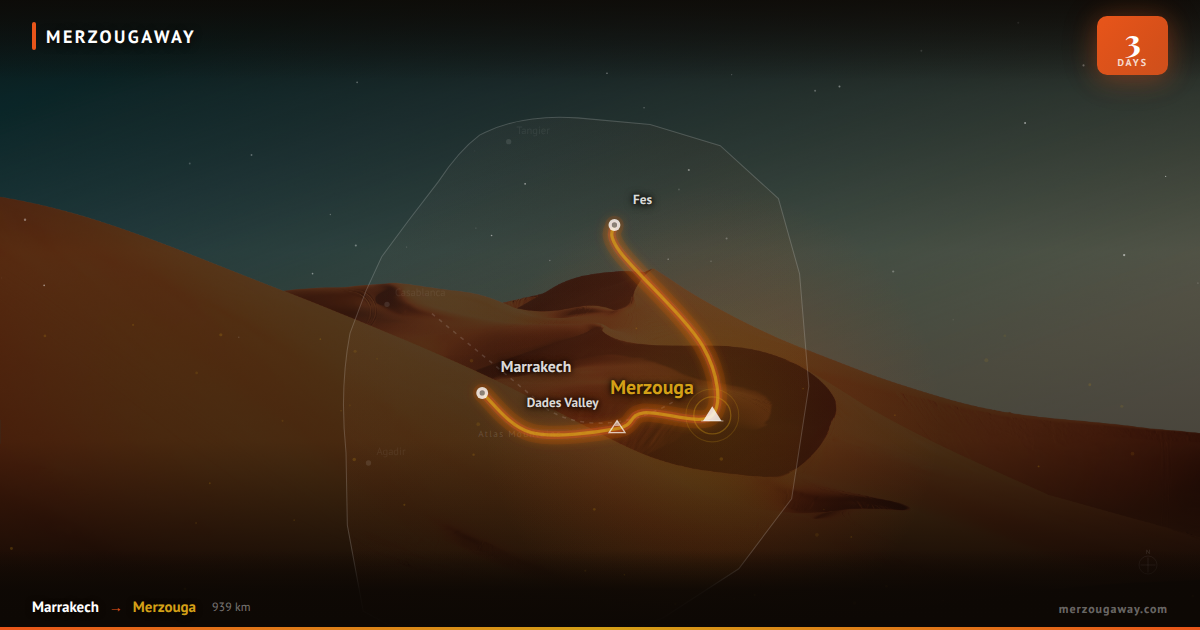
3-Day Marrakech to Merzouga to Fes One-Way Desert Tour
More Activities You'll Love
Explore more things to do in Morocco
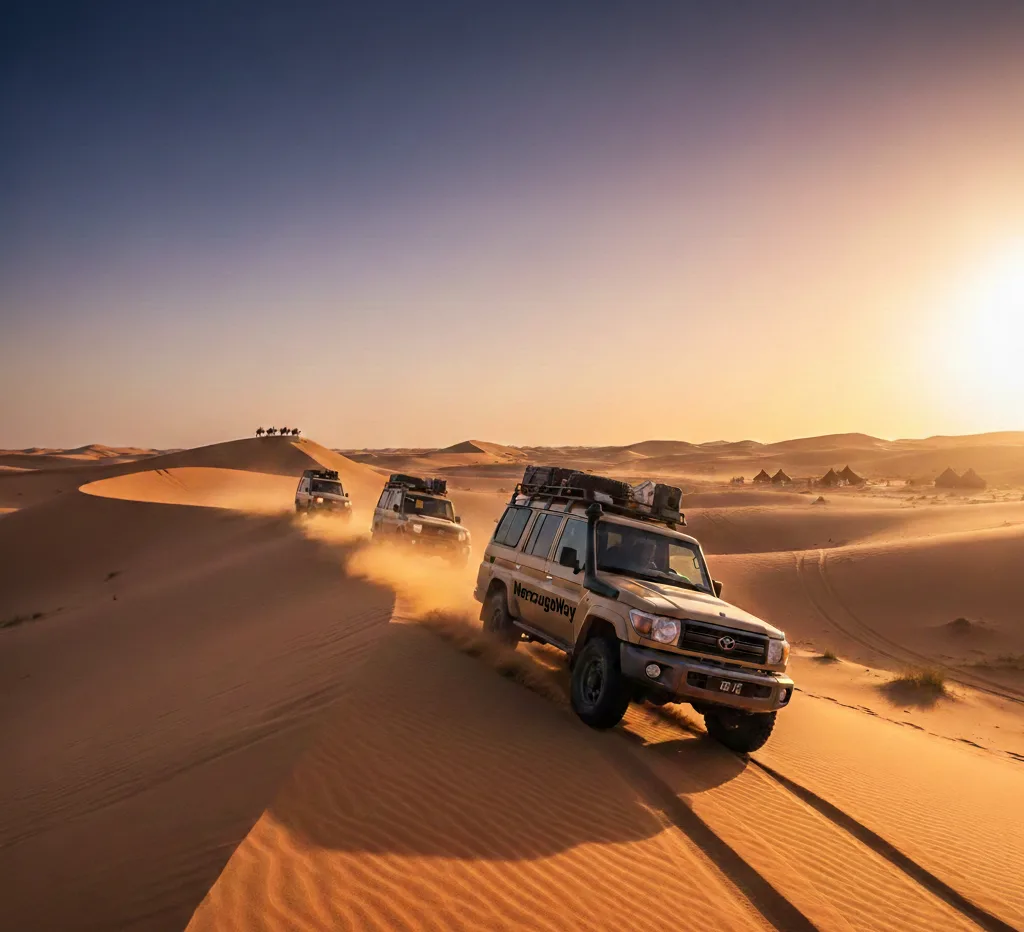
4x4 Dunes Tour in Erg Chebbi
Conquer the Erg Chebbi dunes in a powerful 4x4. An off-road adventure that takes you deep into the Sahara's most dramatic landscapes.
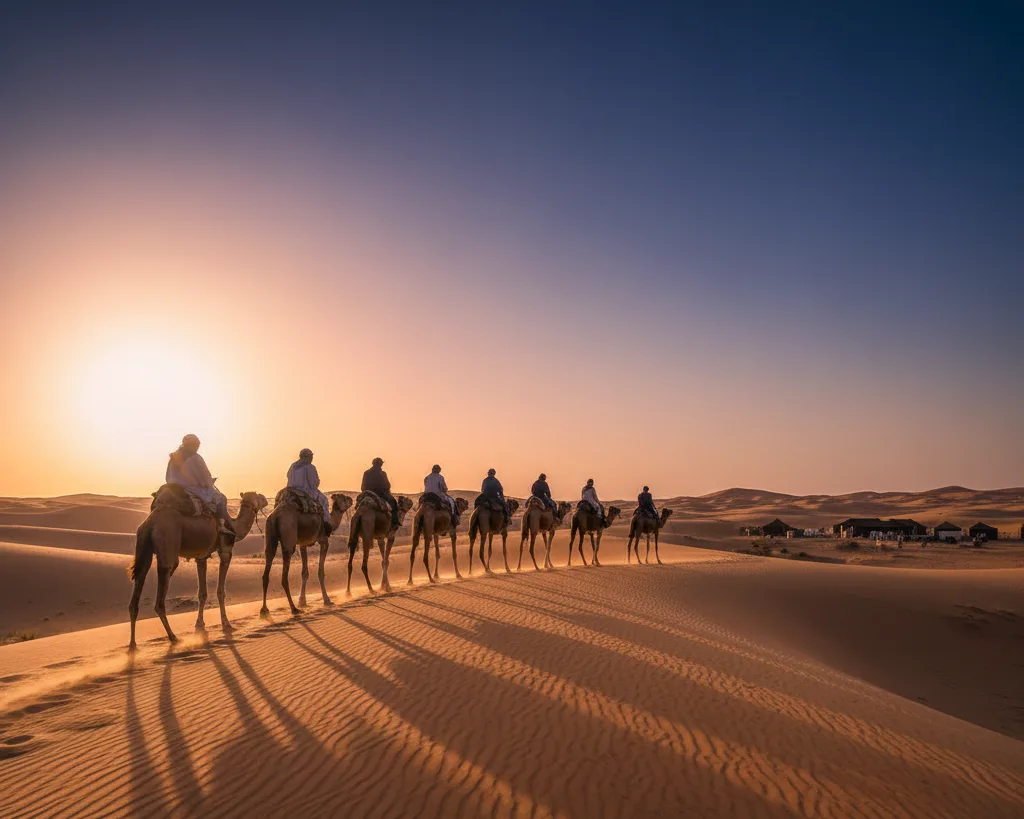
Camel Ride in the Sahara Desert
Experience the timeless magic of the Sahara on camelback. Watch the sun set over Erg Chebbi's golden dunes on a guided camel trek.
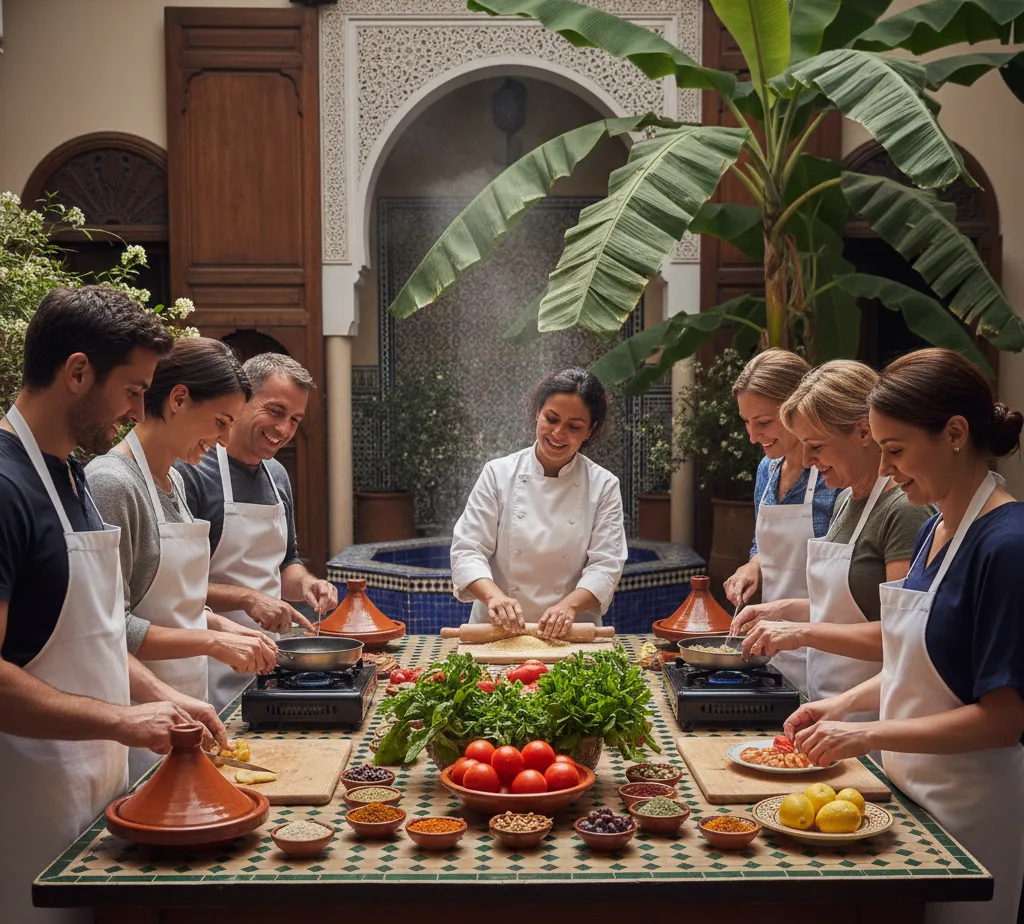
Moroccan Cooking Class in Marrakech
Learn to cook authentic Moroccan dishes — tagine, couscous, pastilla — with a local family in Marrakech. Visit the souk for spices, then cook and eat together.